UK FITNESS PERSONAL TRAINING
  • Home
  • PERSONAL TRAINING
  • BOXING BLITZ FITNESS PROGRAM
  • ONLINE COACHING & DIET PLANS
  • CONTACT
  • About
  • FAQs
  • BLOG
  • ABERDEEN FITNESS & COMBAT CENTRE
  • UK FITNESS CLOTHING
  • The Power of Healthy Habits- Book

Sleep- For Weight Management & Health

4/8/2018

1 Comment

 
It is something that is vitally important for our health, fitness and weight. It is important alongside diet and exercise but is often overlooked.

It can play a role in
​
1. Regulation of appetite

2. Energy expenditure
3. Alterations in glucose metabolism
4. Cognitive functions
5. Recovery
​

By taking a few simple steps and getting an adequate amount, it can play a major role in your health and fitness, help you reach your weight loss goal and make you feel better.

​Sleep​
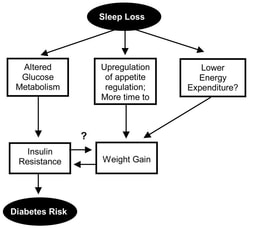
Current data suggest there is a relationship between sleep restriction, weight gain and diabetes. When there is sleep restriction, it can affect energy balance and thus weight gain as

1. Gives people more time to eat
2. Decrease in energy expenditure
3. Up regulation of appetite

Alongside the physiological implications, when people have inadequate sleep It can be harder to stick with health and fitness goals.
  •  If someone is tired it may make them less likely to go to the gym and meal prep.
  • Cravings for sugar, fat, and starchy carbohydrates increase.
  • People who sleep poorly may also be more likely to snack late at night.
  • When tired we can find it harder to do physical activity and get moving and find excuses to skip those gym sessions.

When feeling tired or lethargic it can make it more tempting to act on impulses and go for unhealthier food options-

Go for comfort food, something quick and easy, normally higher in calories and skip the gym and make us less active. This can lead to weight gain or even obesity.

Weight gain and obesity is a major risk factor for type 2 diabetes and there is recent data that indicate that short sleep can impair glucose metabolism and increase the risk of diabetes independently of changes in body mass index (BMI).
Picture
​

By getting adequate and quality sleep it can to help with good health and healthy weight maintenance and even help weight loss.

Attached below is a few tips by National Sleep Foundation to help improve sleep
  • Room Temperature-                           Many sleep experts say that a cool room, somewhere around 65 degrees, makes for the best sleep.
  • Mattress, Pillows, sheets, and pyjamas -                                       Affects the quality of your sleep. Your mattress should be comfortable and supportive so that you wake up feeling rested, not achy or stiff.
  • Pillows-                                           When you sleep, your pillow should support your head and neck, allowing them to stay in a neutral position (without craning or awkwardness) while you sleep. Many doctors recommend replacing pillows every two years. Keep your mattress and pillows clean.
  • Mattresses-                                          The best way to tell if your mattress has seen its day is to evaluate your comfort and sleep quality. Check for worn or sagging spots in the middle or at the edges, and make sure that when your partner moves, your position on the bed isn't disturbed.
  • Make Your Bed In The Morning!      The results of a recent Bedroom Poll by the National Sleep Foundation found that many people believe clean, neat and comfortable elements of the bedroom environment are important to getting a good night's sleep. People who reported making their bed in the morning were 19 percent more likely to get a good night's sleep every night.
  • Switch off the Electronics-                  If you have difficulty falling asleep or staying asleep, consider keeping electronics out of the bedroom and turning them off—especially those used at close range—for at least an hour before bed. It can take some time for the body to come down from technology's alerting effects. light from electronics has the potential to disrupt sleep, because it sends alerting signals to the brain.
  • Expose Yourself To Some Daytime Sunlight-                                     Exposing your body to the sun will not only help alert the brain and set you in motion, it will also help you sleep later on. Light is a powerful guide for your body. In part through the connections between the eyes and the brain's biological timekeeper, light rays influence chemistry and behaviour and keep us in sync with the ebb and flow of the day.
  • Room Design-                                        De-cluttering your room and creating a clean and relatively ordered space (not surprisingly, piles of unsorted papers could make you anxious or restless). Arrange your furniture in a way that feels natural and visually pleasing to you. Try to keep computers and TVs out, so that you come to know your bedroom as a haven for sleep, free of distractions- Choose wall colours that elicit warmth and calm. Although researchers have studied the psychology of colour and some believe that certain hues affect our mood
  • Television & Sleep-                     Ideally, the sounds to which you drift off at night should be the ones that stay with you until morning. Falling asleep with the television on, for example, could interrupt your sleep because TV sounds are constantly changing in tone, volume, and so forth. TV can be especially bothersome if you need to wake up to turn it off and resettle into bed. For a better night's sleep, keep the television out of your bedroom and turn it off before you start your bedtime routine.
  • Smells-                                             There is some evidence that certain smells may have an effect on your sleep. For example, lavender has been shown to decrease heart rate and blood pressure, potentially putting you in a more relaxed state. There are other scents that can help. Surrounding yourself with the scent you like could help you drift off and, in fact, one study found that smells (both good and bad) influence our dreams.
  • Allergies-                                                   If you have allergies, take steps to protect your sleep. Especially if dust mites are the culprit, wash your sheets in hot water once a week and your blankets regularly. Vacuum your house regularly and consider using an air purifier that is able to remove allergens from the air. If you're allergic to an outside irritant such as pollen, keep your windows closed to reduce your exposure when pollen counts are high. Also follow tips for cleaning and replacing your mattress and pillows.
  • Food & Drink-                                   What you eat and drink before bed can affect your sleep. For example, foods containing the amino acid tryptophan—a building block of the sleep-related chemical serotonin—could potentially make you drowsy (however evidence is mixed). Foods such as  turkey, eggs, chicken, fish, and nuts are good sources of tryptophan. Carbohydrates make tryptophan more available to the brain, so if you're eating a light snack before bed, you might try something like a few whole wheat crackers with a small amount of peanut butter, or cereal with milk. On the other hand, foods that tax or upset your stomach, such as fatty, fried, or spicy foods, are best avoided before sleep.
  • Food & Sleep-                                        Yes, there are certain foods that could promote better sleep, but the best choice overall is to eat lightly before bed (if at all) and avoid alcohol or stimulants like caffeine. Save larger, protein-rich meals for breakfast and lunch when your body needs the daytime energy.
  • Alcohol & Caffeine-                    Alcohol might make you drowsy and help you fall asleep, but it can actually make it harder to sleep deeply and continuously throughout the night and should be avoided in the hours before bed. As you know, caffeine is a stimulant and it's effect on the body lasts many hours, so it is best not to consume it after the mid-afternoon.
References
​
•
Ayas et al. (2003).A prospective study of self-reported sleep duration and incident diabetes in women. Diabetes Care;26:380–4. [PubMed]
• Vorona et al (2005) Overweight and Obese Patients in a Primary Care Population Report Less Sleep Than Patients With a Normal Body Mass Index. Arch Intern Med.
• Ioque. Et al (2000) Time spent watching television, sleep duration and obesity in adults living in Valencia, Spain. Int J Obes Relat Metab Disord.;24:1683–1688. [PubMed]
• Knutson, Spiegel & Van Cauter. (2007). The Metabolic Consequences of Sleep Deprivation. https://www.ncbi.nlm.nih.gov/pmc/articles/PMC1991337/
• Shigeta H, Shigeta M, Nakazawa A, Nakamura N, Yoshikawa T. Lifestyle, obesity, and insulin resistance. Diabetes Care. 2001;24:608
• National Sleep Foundation
FITNESS, NUTRITION & PERSONAL TRAINING
Jamie Miller- Personal Trainer
​Aberdeen

1 Comment
Victoria Addington link
9/8/2022 12:36:31

Thank you for explaining that sleep restriction can affect weight gain. My friend wants to manage her weight. I should advise her to look for a specialist in weight management treatment for proper guidance.

Reply


Leave a Reply.

    Author

    Jamie Miller

    Personal Trainer since 2007. Honours degree in Science of Sports Studies. 

    Archives

    March 2021
    August 2020
    May 2020
    March 2020
    December 2019
    September 2019
    July 2019
    June 2019
    May 2019
    February 2019
    January 2019
    December 2018
    November 2018
    October 2018
    September 2018
    August 2018
    July 2018
    June 2018
    May 2018
    April 2018
    January 2018
    December 2017
    November 2017
    September 2017
    August 2017
    July 2017
    June 2017
    April 2017
    March 2017
    December 2016
    November 2016
    October 2016
    September 2016
    August 2016
    July 2016
    June 2016
    May 2016

    RSS Feed

Location

Aberdeen Combat Centre
Berryden Retail Park
Berryden Road
Aberdeen
AB25 3SA

​(right next to Sainsbury)

Contact Us

Email- jamiemillerukyahoo.co.uk
CONTACT FORM
  • Home
  • PERSONAL TRAINING
  • BOXING BLITZ FITNESS PROGRAM
  • ONLINE COACHING & DIET PLANS
  • CONTACT
  • About
  • FAQs
  • BLOG
  • ABERDEEN FITNESS & COMBAT CENTRE
  • UK FITNESS CLOTHING
  • The Power of Healthy Habits- Book